How to Remove Rust Stains From Inside Water Tank: Easy DIY Guide

Stained water reservoir? Learn how to remove rust stains from inside water tank setups safely using budget-friendly DIY techniques and smart maintenance.
How to Remove Rust Stains From Inside Water Tank: The Ultimate DIY Blueprint
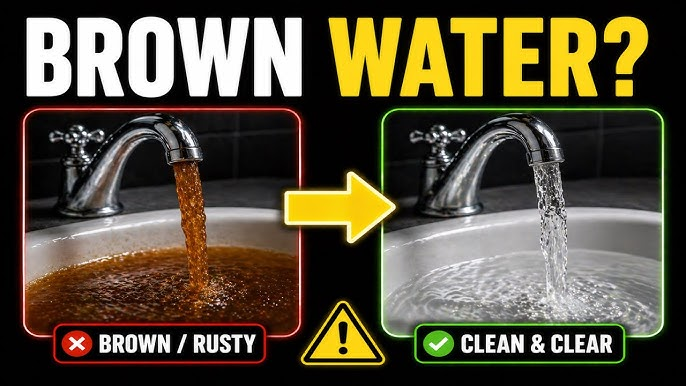
You open up your home’s water storage tank to check the water level, and instead of seeing a clean, bright interior, you are greeted by ugly, dark orange streaks running down the walls. Your household taps might even be running slightly discolored water, or leaving stubborn brown rings in your porcelain sinks and bathtubs.
Look, I get it, scrubbing a tank is exhausting but ignoring orange scale and oxidized metal buildup will slowly degrade your property’s plumbing system. Over time, those unsightly streaks can eat through metal structural fittings, ruin your clothes in the laundry, and make your daily shower feel downright unpleasant. You do not need to call an expensive commercial maintenance crew to resolve this problem. With a clear afternoon, a few affordable household supplies, and the right plan, you can tackle this project entirely on your own.
Here is the real talk about water safety: rust is not just a visual issue. It creates a rough, porous surface environment where harmful biofilms and bacteria love to attach themselves and multiply. Whether you are dealing with a concrete underground cistern or an overhead plastic container supplied by older iron pipes, mastering how to remove rust stains from inside water tank surfaces is an invaluable domestic skill. At TankClean.site, we want to provide you with expert, field-tested guidance to restore your water storage to a spotless condition safely and independently.
What Causes Rust Accumulation Inside Clean Water Storage?
Before we start scrubbing, we need to understand exactly where this orange oxidation is coming from so you can stop it from returning right back after you finish cleaning.
Source 1: Corroding Metal Components
If your tank is a concrete or older galvanized iron model, it often contains internal metallic elements such as reinforcement bars, iron ladders, inlet float valve assemblies, or metallic pipe joints. Over years of constant moisture exposure, the protective coatings on these metals break down, leading to active iron oxidation that bleeds heavy streaks down the interior surfaces.
Source 2: External Iron Infiltration
Even if you own a modern, food-grade polyethylene plastic tank that cannot physically rust, you can still develop heavy orange stains. This happens when your primary water source—whether it’s aging municipal water mains or deep groundwater wells—is rich in dissolved iron. When this water sits stagnant in your domestic reservoir, the iron reacts with oxygen, settles out as a solid precipitate, and stains the plastic walls.
Choosing Your Stain Remover: Acidic Cleaners vs. Standard Bleach
When tackling metallic rust, standard household laundry disinfectants will not work the way you expect. Let’s look at a helpful comparison of how different DIY cleaning agents interact with oxidized iron scale.
| Feature & Metrics | Food-Grade Citric Acid or White Vinegar | Standard Sodium Hypochlorite (Bleach) |
| Chemical Interaction | Highly Effective. The mild organic acid breaks down the insoluble iron oxide ($Fe_2O_3$), turning it into a water-soluble form that washes away effortlessly. | Ineffective for Rust. Bleach is a powerful oxidizer, meaning it can actually worsen rust formatting or set the stain deeper into porous walls. |
| Pathogen & Slime Removal | Moderate. While it can loosen superficial slime layers, it lacks the heavy-duty sanitizing speed of strong chlorine compounds. | Exceptional. Completely sterilizes biological biofilms, fungi, and bacterial colonies instantly on contact. |
| Surface Safety Profile | Extremely safe on food-grade plastic, fiberglass, and standard concrete when rinsed properly. Non-toxic if small traces remain. | Safe on plastics but emits strong, harsh fumes that require excellent ventilation masks during interior application. |
| Primary Project Role | Use this chemicales option as your primary stain remover to dissolve the orange metallic discoloration. | Use this second as a final disinfection rinse after the metallic rust stains have been completely washed away. |
Step-by-Step Guide to Safely Removing Tank Rust Stains
Ready to transform your home water quality? Follow this structured sequence to lift heavy stains and sterilize your household water network safely.
1.System Isolation and Main Valve Lockout:Prerequisite Step.
Turn off the incoming water line valve feeding your reservoir. Head to your home’s main water distribution valve and shut it off completely. This step ensures that any discolored water or acidic cleaning solutions do not travel down into your home’s washing machines, water heaters, or drinking taps while you are hard at work.
2.Drain Residual Liquid and Evacuate Silt Sludge:Duration: 30 mins.
Open the primary external drainage valve at the bottom of your tank to empty out the remaining clean water. Use a small submersible utility pump, a wet-vac, or a manual scoop bucket to thoroughly clear away the layer of loose brown silt and heavy iron sediment resting at the very bottom of the structure.
3.Apply the Acidic Rust-Dissolving Solution:Stain Treatment Phase.
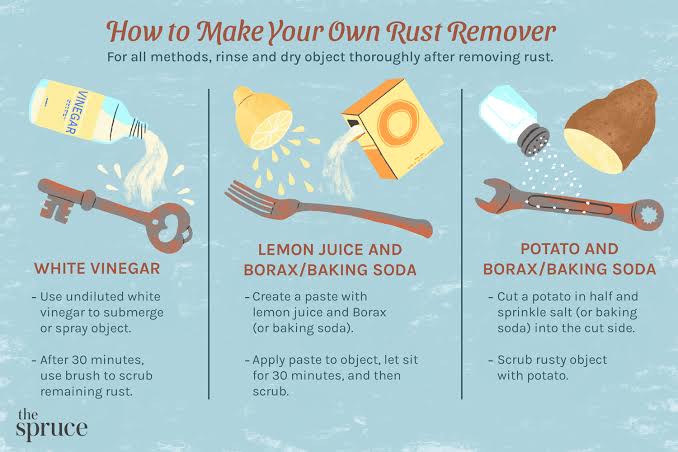
Mix a concentrated stain-fighting paste using warm water and food-grade citric acid powder (or use undiluted white distilled vinegar). Apply this solution directly onto the orange streaks using a clean chemical sprayer or a sponge. Let it sit for 30 to 45 minutes. You will notice the bright orange stains beginning to fade and loosen as the acid breaks down the iron bonds.
4.Scrub the Tank Walls and Pressure Wash:Mechanical Cleaning Phase.
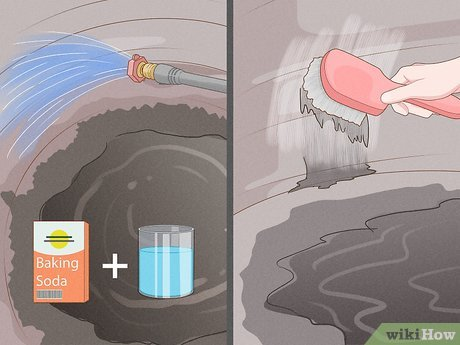
Take a medium-stiff nylon scrubbing brush and scrub along the treated streaks. The iron scale should come off easily. Use a household pressure washer operating at 1,500 to 2,000 PSI to blast the entire internal surface area from top to bottom, forcing the dissolved metallic slurry down to the base. Immediately pump out this dirty wash water so it doesn’t dry and re-stain the floor.
5.Final Disinfection and Sterilization Step:Duration: 1 hour soak.
Now that the rust is gone, you must sterilize the tank to wipe out any bacteria that were hiding inside the porous scale. Mix 1 quart of unscented liquid household bleach for every 250 gallons of total tank capacity with clean water. Spray this across the internal walls and let it sit for an hour, then execute a thorough clean water flush to rinse out all chemicales residues.
6.Refill, Inspect, and Restore Household Supply:Final Re-commissioning.
Close the drainage valves and open your incoming municipal or well line to refill the unit with pristine water. Go to an outdoor garden hose faucet and run the water for a minute to clear out any pockets of air, then safely procced to open the main distribution valve back into your residential property.
Strategic Prevention: Keeping Rust Out Long-Term
Now that your tank looks brand new inside, let’s take a look at a few smart preventative strategies to ensure those nasty orange streaks never make a comeback.
If your water stains were caused by rusting internal metal components, like an old iron ladder or a decomposing float valve mechanism, replace them immediately with modern, high-grade PVC, nylon, or marine-grade 316 stainless steel alternatives. Getting those corroding metal parts out of the water path cuts off the rust issue right at the source.
If the iron is coming directly from your external groundwater well supply, consider installing a dedicated inline sediment filter or an iron-removal filtration system right before the water enters your main storage tank. Catching those heavy microscopic mineral particles before they have a chance to settle out in your reservoir will keep your tank walls looking pristine for years to come.
Master Home Maintenance with TankClean.site
You don’t need to live with discolored water or spend a fortune on specialized plumbing contractors to maintain a clean home. By utilizing the proper DIY methods to dissolve mineral scale and following a regular maintenance rhythm, you can guarantee crystal-clear, healthy water for your family every single day. For more practical home care guides, downloadable tool checklists, and water hygiene tips, make sure to read more on TankClean.site—your trusted online partner for independent residential facility upkeep.