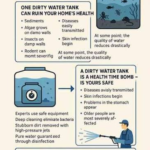

Wondering if it is safe to use bleach to clean drinking water tank? Learn the exact ratio, safety rules, and step-by-step DIY cleaning process.
Is It Safe to Use Bleach to Clean Drinking Water Tank? A Complete DIY Guide
Look, I get it. The thought of climbing inside an underground or overhead water tank to scrub away slime and sludge sounds exhausting. But then you look at what professional cleaning services are charging these days, and suddenly a DIY weekend project doesn’t sound so bad.
When you start researching how to sanitize your home water supply, one question always pops up: is it safe to use bleach to clean drinking water tank systems?
Here is the real talk about water safety: Yes, it is entirely safe, but only if you use the correct type of bleach and calculate the exact dosage. Bleach—specifically chlorine—is the exact same chemicales that municipal water treatment plants use worldwide to kill deadly bacteria, viruses, and parasites. However, treating a tank isn’t as simple as pouring a random jug of laundry bleach into your water supply and hoping for the best. Done wrong, you risk chemical poisoning or failing to actually sanitize the water. Done right, you get crystal-clear, safe drinking water for pennies.
Let’s dive into how you can safely clean your tank like a seasoned pro.
The Golden Rules of Using Bleach for Drinking Water
Before we touch a single drop of water, we need to talk about the type of bleach you have in your laundry room. If you pull out a bottle that says “Lavender Scented,” “Splashless,” or “Color-Safe,” put it right back.
To safely clean a drinking water tank, you must use unscented, regular liquid household bleach containing 5% to 9% sodium hypochlorite. Any additives like perfumes, thickeners, or anti-splashing agents are highly toxic if ingested and are nearly impossible to rinse out of a residential water system completely.
Furthermore, you must adhere strictly to established chemical safety margins. The World Health Organization (WHO) and the Centers for Disease Control and Prevention (CDC) have precise guidelines for chlorination. Over-chlorinating won’t make your tank “extra clean”—it will just corrode your plumbing and irritate your skin, eyes, and lungs.
Bleach vs. Alternatives: What Actually Works?
Many homeowners are terrified of chemical disinfectants and prefer to look for natural alternatives. While vinegar or baking soda work wonders for a kitchen counter, your family’s drinking water demands medical-grade sanitization.
Let’s break down how regular household bleach stacks up against popular alternative options.
| Disinfectant Type | High-Level Sanitization? | Pros | Cons |
| Liquid Household Bleach (5%-9% Sodium Hypochlorite) | Yes | Extremely cheap; kills 99.9% of bacteria, viruses, and algae; completely dissipates over time. | Requires precise measurement; strong chemical odor during the cleaning process. |
| White Vinegar (Acetic Acid) | No | 100% non-toxic; safe if accidentally swallowed; excellent for breaking down hard water calcium scale. | Does not kill stubborn waterborne pathogens like certain viral strains; requires massive quantities. |
| Hydrogen Peroxide (Food Grade) | Yes | Breaks down completely into water and oxygen; leaves zero chemical taste or odor behind. | Highly volatile in concentrated forms; significantly more expensive and harder to find. |
As you can see, bleach remains the undisputed champion for deep disinfection. However, at TankClean.site, we often recommend using vinegar during the physical scrubbing phase to cut through mineral crust, followed by a final bleach treatment to obliterate organic pathogens.
Crucial Prep: The Tools You Need
Do not start draining your tank until you have every tool sitting next to you. There is nothing worse than being stuck inside an underground tank only to realize you forgot your safety goggles.
- Safety Gear: Protective goggles, rubber gloves, and a mask (chlorine fumes get incredibly intense in confined spaces).
- Scrubbing Tools: A stiff-bristled brush or clean broom with a long handle (never use a wire brush on plastic or fiberglass tanks, as it creates micro-scratches where bacteria love to hide).
- Pumping/Bailing Gear: A submersible utility pump or a good old-fashioned bucket and sponge to remove residual water.
- The Sanitizer: Unscented household bleach.
- Testing Equipment: A basic chlorine test kit or test strips (available at any pool supply store).
Step-by-Step DIY Water Tank Cleaning Guide
Now that you have your gear, let’s look at the absolute safest way to clean your overhead or underground drinking water tank.
Step 1: Isolate and Drain the System
First, turn off the electricity or gas supply to your water heater. If you drain your home’s water while the heater is active, you can burn out the heating elements. Close the main inlet valve that brings water into your tank. Open the drain valve at the bottom of the tank to empty it completely. If there is no drain valve, drop your submersible pump into the tank to evacuate the water to a safe drainage area away from your garden (chlorinated or highly stagnant water can kill plants).
Step 2: Mechanical Scrubbing and Sludge Removal
Once the tank is empty, you will likely see a layer of mud, silt, or dark slime at the bottom. Mix a simple cleaning solution of warm water and dish soap, or white vinegar if you have heavy scale buildup. Use your long-handled brush to vigorously scrub the floor and walls. Take your time here—if you leave physical dirt on the walls, the bleach you use later will spend its energy attacking the mud instead of killing micro-organisms. Use buckets or a wet-dry vacuum to completely remove the dirty scrub water.
Step 3: The First Rinse
Rinse the walls thoroughly using a garden hose or a pressure washer if you have one. Pump out this rinse water immediately. The tank should look visibly clean at this point, but it isn’t bacteriologically safe just yet.
Step 4: The Shock Chlorination Method
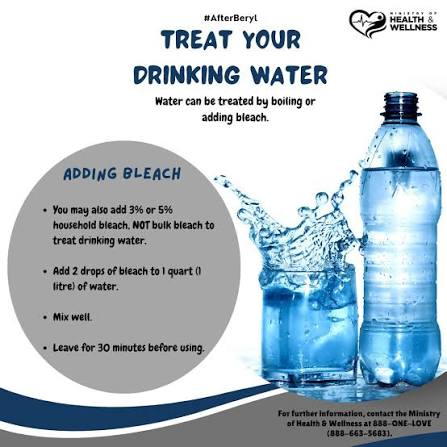
This is where we address the core question: is it safe to use bleach to clean drinking water tank structures? Yes, through a process called shock chlorination. You want to create a solution of roughly 50 parts per million (ppm) of chlorine throughout the tank.
As a general rule of thumb for standard household bleach (roughly 5.25% strength), use 1 cup (8 ounces) of liquid bleach for every 100 gallons of water your tank holds.
Bleach Needed (Cups) = Tank Capacity (Gallons) / 100
Fill the tank about a quarter full with clean water, pour in your measured bleach amount, and then fill the tank the rest of the way. Filling it after adding the chemicales ensures that the water and bleach mix completely.
Step 5: Flush the Home Pipes
Go inside your house and open every single faucet (both hot and cold), flush the toilets, and run the showerheads until you distinctly smell chlorine coming out of the taps. This draws the highly chlorinated water out of the tank and into your home’s internal pipe network to sanitize the entire plumbing system. Once you smell the bleach at the tap, turn the faucets off.
Step 6: Let It Dwell
Leave the system alone for at least 8 to 12 hours (overnight is ideal). Do not drink, cook, or bathe with the water during this holding period, as the high chlorine concentration can irritate your skin and stomach.
Step 7: Final Flush and Testing
After the holding period, drain the entire tank through your household taps or the external drain valve. Fill the tank completely with fresh, clean water once again. Run all your indoor faucets for 5 to 10 minutes to clear out the residual high-strength chlorine from the pipes. Use your chlorine test strips to check the water coming out of your kitchen tap. The level should be below 4.0 ppm (or mg/L), which is the EPA maximum safety limit for drinking water. Once it hits this level, your water is perfectly safe to consume!
Common DIY Mistakes to Avoid
Even smart homeowners make simple errors during this process. Keep an eye out for these pitfalls:
- Forgetting Ventilaton: If you are physically climbing inside an underground concrete tank, the accumulation of chlorine gas can cause asphyxiation. Always have someone standing outside watching you, and keep a fan blowing fresh air into the hatch.
- Using Too Much Bleach: More is not better. Excessively high concentrations can permanently damage the rubber seals in your home appliances and pit copper piping.
- Ignoring the Water Heater: As mentioned earlier, failing to flush the chlorinated water completely through your hot water lines can leave a chemical taste in your showers for weeks.
For more specialized deep-dives into dealing with specific water issues like sulfur smells, iron staining, or algae blooms, feel free to browse through our extensive library of troubleshooting articles right here on TankClean.site.
Keep Your Family’s Water Crystal Clear
Cleaning your own water storage tank takes a bit of elbow grease, but protecting your family from waterborne illness is worth every bit of effort. When you stick to proper chemical ratios and follow structural safety guidelines, using regular household bleach is an incredibly cheap, highly reliable way to maintain a pristine water supply.
Don’t let your water hygiene fall by the wayside. Regular maintenance should happen at least once every twelve months to prevent biofilm from taking over your system.
Ready to make water maintenance completely painless? Download our free Ultimate DIY Water Tank Cleaning Checklist today to keep by your side during your next cleaning weekend. You can also sign up for our seasonal email reminders on TankClean.site to get friendly notifications exactly when your tank is due for its next routine inspection and flush!