
Learn how to use chlorine tablets to clean water tank safely. Protect your family from bacteria with this expert, step-by-step DIY sanitation guide.
How to Use Chlorine Tablets to Clean Water Tank: The Ultimate DIY Sanitation Guide
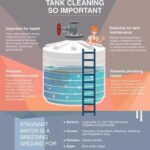
Let’s be entirely honest with each other: home maintenance can sometimes feel like an endless loop of chores. Between checking on the solar system, fixing appliance leaks, and scheduling basic cleanups, your underground or overhead water reservoir often gets pushed to the back burner. But over time, microscopic contaminants, dust, and algae find their way inside, creating an unhealthy biofilm on the walls and a layer of sludge at the base.
Look, I get it, scrubbing a tank is exhausting but ignoring your primary domestic water reserve can lead to real health hazards for your family. Here is the real talk about water safety: you don’t always need to call an expensive commercial cleaning service to get a sterile, pure water supply. One of the most effective, budget-friendly, and scientifically proven methods used by professionals involves solid water purification tablets. Today, we are going to break down exactly how to use chlorine tablets to clean water tank systems safely without breaking a sweat.
At TankClean.site, we are passionate about making water hygiene manageable for everyday homeowners. Let’s dive into why these small tablets are your secret weapon for household wellness.
Why Use Chlorine Tablets for Water Tank Sanitation?
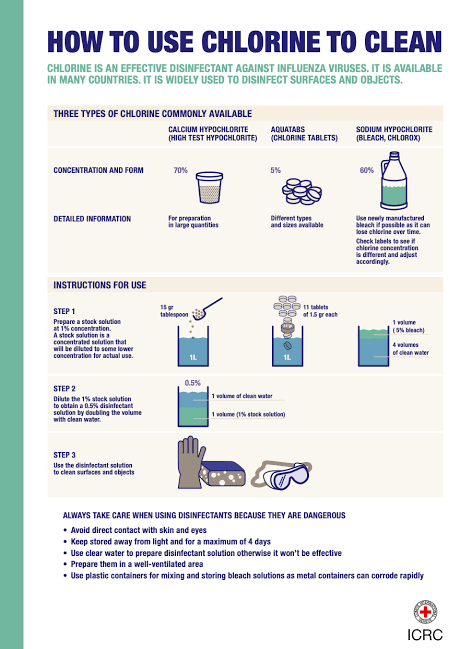
When it comes to sanitizing a domestic reservoir, many people default to pouring liquid household bleach directly into the hatch. While liquid bleach works, it loses its chemical strength rapidly on the shelf and is highly prone to messy, dangerous spills during transit up a ladder.
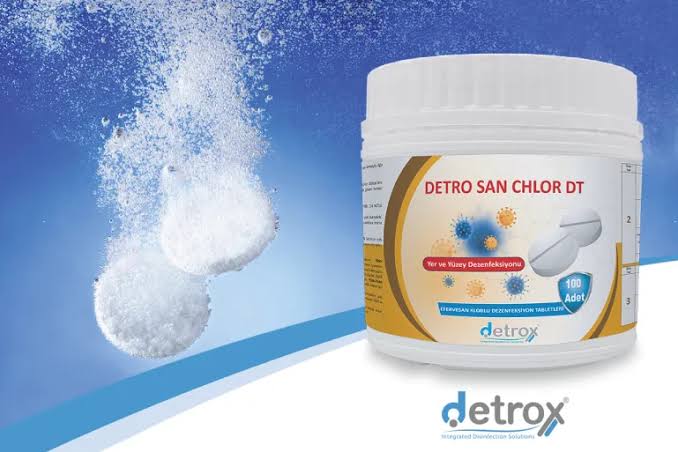
Solid sanitizing blocks—typically made of Sodium Dichloroisocyanurate (NaDCC) or Calcium Hypochlorite—offer a far more controlled alternative. They are lightweight, have a shelf life of several years, and release a stable, pre-measured concentration of chlorine that targets pathogens without damaging your tank’s structural lining.
The Power of Chemical Disinfection
Chlorine targets biological matter at a cellular level. It pierces the cell membranes of bacteria, viruses, and algae, neutralizing them entirely within minutes. This makes it an absolute necessity if your domestic water supply sits stagnant during hot summer weeks, turning your storage unit into a potential breeding ground for waterborne illnesses.
Knowing the Differences: Liquid Bleach vs. Solid Tablets
Choosing the right medium depends entirely on your comfort level with chemicales and handling requirements. Let’s look at how these two dominant sanitizing options stack up for standard residential projects.
Sanitizer Comparison: Liquid Bleach vs. Chlorine Tablets
| Feature Metric | Liquid Chlorine Bleach | Solid Chlorine Tablets (NaDCC / Cal-Hypo) |
| Shelf-Life Stability | Low (Loses up to 20% potency every 6 months) | High (Stays stable in storage for up to 5 years) |
| Dosage Accuracy | Medium (Requires meticulous manual liquid calculation) | High (Pre-measured weights prevent accidental overdosing) |
| Ease of Transport | Low (Heavy bottles present spill risks on roofs) | High (Compact, dry packaging is easy to carry up ladders) |
| Dissolution Speed | Instant (Mixes with current water fluid instantly) | Slow to Moderate (Provides a controlled, even release) |
Safety Protocols and Gear Verification
Before handling any heavy sanitizing agents, you must protect yourself. Remember, you are working with concentrated compounds designed to eliminate organic life—treat them with respect.
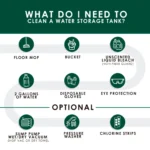
- Chemical-Resistant Gloves: Protects skin from localized chemical burns or irritation.
- Safety Goggles: Keeps accidental water splashes out of your eyes during agitation.
- A Clean Plastic Bucket: Never mix tablets in metal containers, as concentrated chlorine can corrode iron and steel.
- The Right Dosage Information: Always read the packaging carefully to determine how many milligrams or grams of active ingredient are needed per gallon of water volume.
Step-by-Step Guide: How to Use Chlorine Tablets to Clean Water Tank
Now that you have your gear ready, let’s walk through the structural cleaning procedure. Whether you are managing an overhead plastic tank or a concrete underground cistern, this method delivers optimal results.
Step 1: Calculate Your Total Tank Capacity
Before dropping a single tablet into the hatch, you need to know exactly how much water your storage unit holds. Overdosing can leave a harsh chemical taste that takes days to flush out, while underdosing leaves bacterial colonies completely alive. If your tank is a standard plastic cylinder, multiply the internal radius squared by the height, then multiply by $3.14$ to find the volume, or simply look for the manufacturer stamp on the outer shell.
Step 2: Perform Initial Sludge and Debris Extraction
Chlorine is highly reactive with organic matter. If your tank has three inches of heavy mud at the base, the tablets will exhaust all their sanitizing power fighting that mud layer, leaving nothing behind to kill the airborne bacteria on the walls.
Expert Advice: Use a specialized underwater siphon pump or a wet/dry shop vacuum to clear out the heavy mud and floating leaf fragments first. If you want a complete breakdown on handling that initial muck, check out our dedicated equipment checklists right here on TankClean.site.
Step 3: Dissolve the Tablets in a Master Batch
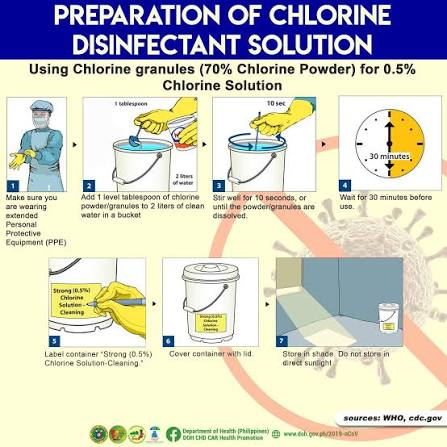
Never drop solid chlorine tablets directly to the bottom of a plastic or fiberglass tank and leave them there. The highly concentrated chemical resting in one spot can weaken the plastic base over time, causing micro-cracks. Instead, crush the required number of tablets for your volume and dissolve them completely inside a plastic bucket filled with lukewarm water. Stir with a clean plastic or wooden rod until no sediment remains.
Step 4: Distribute the Solution and Agitate the System
Pour the concentrated master batch evenly across the surface of the water storage unit. Once added, use a clean telescopic pool brush or a long nylon broom to scrub down the interior walls above and below the water line. The movement stirs the water currents, ensuring the chlorine reaches every single square inch of the internal surface area.
Step 5: Sanitize Your Home’s Plumbing Framework
Don’t forget about the pipes inside your walls! Open the main outlet valve leading from the storage tank into your home’s domestic framework. Walk down to your kitchen, bathrooms, and laundry taps, turning each faucet on for 30 seconds until you detect a very faint, distinctive swimming pool scent. Shut the taps off immediately. This draws the chlorinated water deep into your household lines, sterilizing your pipe network simultaneously.
Step 6: The Long Soak and Final System Flush
Allow the chlorinated water solution to sit completely undisturbed inside your storage unit and pipes for a minimum of 4 to 12 hours. This extended contact window is what completely eradicates stubborn biofilms and fungal spores.
Once the time has elapsed, open your low-level drain valves to evacuate the chlorinated mix out toward a local storm drain. Refill the entire system with fresh municipal supply water, flush your indoor taps for two minutes until the scent returns to normal, and procced with your daily routine. Your system is now hospital-clean!
Common Mistakes to Steer Clear Of
Even with a straightforward tablet setup, minor human errors can derail your progress. Avoid these common DIY traps:
- Confusing Pool Tablets with Drinking Water Tablets: This is a massive safety hazard. Never use industrial swimming pool chlorine pucks (Trichlor) for a residential water tank. They contain specialized stabilizing chemicales like cyanuric acid, which are completely toxic if consumed by humans. Always purchase tablets explicitly rated for drinking water sanitation.
- Leaving Their Tank Hatch Unsealed After Treatment: Cleaning your entire storage infrastructure is pointless if you leave the access lid loose or cracked when you finish. Wind-blown dirt, insects, and birds will re-contaminate your fresh supply within forty-eight hours.
- Rushing the Contact Window: Chemical reactions take time. If you drain the sanitized water out after only twenty minutes because you are in a rush, you won’t kill the deep-seated mold roots clinging to the corners. Give the process the hours it needs to work.
Achieve Professional Results on Your Own Terms
Learning how to use chlorine tablets to clean water tank infrastructure is one of the smartest, most cost-effective skills you can acquire as a homeowner. It gives you absolute, uncompromised control over the purity of the water entering your cooking pots, showers, and laundry cycles, protecting your loved ones from waterborne illnesses while cutting out commercial service inflation.
For more authoritative DIY sanitation guides, specialized tool deep-dives, and seasonal maintenance frameworks, make TankClean.site your primary domestic upkeep archive. We focus on transforming complicated household chores into clear, logical, and scannable blueprints that anyone can execute with confidence.
Ready to secure your home’s water quality? Click the button below to join our exclusive maintenance community! You will receive a fully downloadable, printable Water Tank Chlorine Dosage Calculator & Safety Worksheet to take straight to the hardware store, alongside automated seasonal email alerts keeping your home infrastructure running smoothly all year long.