How to Clean Stainless Steel Commercial Water Tanks Safely & Efficiently

Master how to clean stainless steel commercial water tanks without scratching the metal or violating health codes. Step-by-step facility guide.
How to Clean Stainless Steel Commercial Water Tanks: The Definitive Expert Guide
Let’s be completely honest for a moment. If your facility uses stainless steel water storage tanks, you probably chose them because they represent the gold standard of liquid storage. They look clean, they resist corrosion remarkably well, and they are incredibly durable. But having a premium metal system does not mean it is self-cleaning. Whether your tank supplies a commercial office block, a food processing unit, or a residential apartment building, it requires meticulous care.
But here is the real talk about water safety: stainless steel behaves very differently from standard plastic or concrete tanks. It possesses a delicate passive chromium oxide layer that gives it its rust-resistant properties. If you use the wrong tools or harsh chemicales during maintenance, you can permanently strip away this protective layer. Once that happens, localized pitting, rusting, and dangerous microbial colonization will take hold of your asset.
Look, I get it, scrubbing a tank is exhausting but outsourcing it to specialized industrial cleaning companies can drain thousands of dollars from your annual property management budget. If you have a capable maintenance crew, a dedicated facility team, or just want to oversee the job with absolute confidence, learning how to clean stainless steel commercial water tanks correctly will protect your water purity, keep you compliant with local health regulations, and preserve your expensive metal infrastructure.
Here at TankClean.site, we serve as the definitive online resource for advanced DIY water tank cleaning guides, maintenance tips, and water hygiene. We don’t want you risking your hardware due to bad advice. Let’s break down the technical realities, tool safeguards, and step-by-step procedures required to manage a stainless steel commercial disinfection project like a seasoned pro.
The Unique Properties of Stainless Steel Water Infrastructure
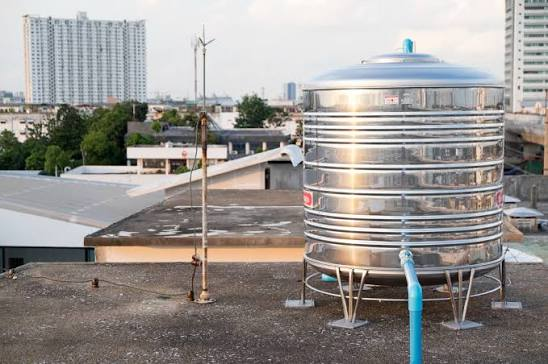
Before we pull out the pressure washers, we must understand the material we are dealing with. Commercial steel tanks (typically crafted from grade 304 or 316 stainless steel) are chosen precisely because their smooth interior surfaces make it difficult for bacteria and slime to latch on.
However, over months of continuous operation, dissolved minerals like calcium, magnesium, and iron settle out of the incoming water supply. This results in calcified scale deposits and hard water stains. Beneath these hard mineral crusts, anaerobic bacteria can thrive, creating specialized micro-environments that slowly corrode the metal from underneath.
Because of this specific risk, stainless steel commercial units require a dual approach: chemical descaling to dissolve mineral bonds and careful sanitization to eliminate biological pathogens. This comprehensive process should be executed at least once a year to ensure your water quality remains pristine.
Tool and Chemical Safeguards for Premium Metal
You cannot simply use household cleaning agents or wire brushes inside a steel tank. A single mistake with a steel-wire sponge can embed iron particles into the tank walls, triggering rapid galvanic corrosion.
Review this essential checklist before buying or assembling your maintenance equipment array.
| Equipment Category | Approved Tooling / Chemical | Why It Is Mandatory for Stainless Steel |
| Scrubbing Medium | Stiff-bristled nylon or soft polymer brushes | Cleans surfaces thoroughly without scratching the chromium layer. |
| Mechanical Cleaning | Variable-pressure jet washer (under 2,000 PSI) | Blasts away scale without delaminating welded joint sections. |
| Descaling Agent | Diluted citric acid or sulfamic acid mixes | Safely breaks down mineral deposits without causing metal pitting. |
| Sanitizing Agent | Hydrogen peroxide or food-grade sodium hypochlorite | Kills bacteria spores while remaining safe for the metal structure. |
| Safety Equipment | Low-voltage lighting and gas detection monitors | Required for compliance with confined space entry protocols. |
The Step-by-Step Stainless Steel Commercial Tank Cleaning Protocol
Now that your maintenance team has verified their tools and safety logs, it is time to procced with the actual cleaning operations. Follow these steps meticulously to preserve your infrastructure and secure your compliance goals.
Step 1: Advance Planning and System Isolation
Coordinate the maintenance window at least 48 hours in advance with the building occupants. Shut down the main water supply line or deep-well booster pump feeding into the tank. Next, close the main distribution outlet valves that direct water down into the building’s distribution network. This isolation process is critical because it prevents any loosened rust flakes, calcified mud, or strong chemicales from flowing back into their consumer tap lines.
Step 2: Controlled Emptying and Initial Assessment
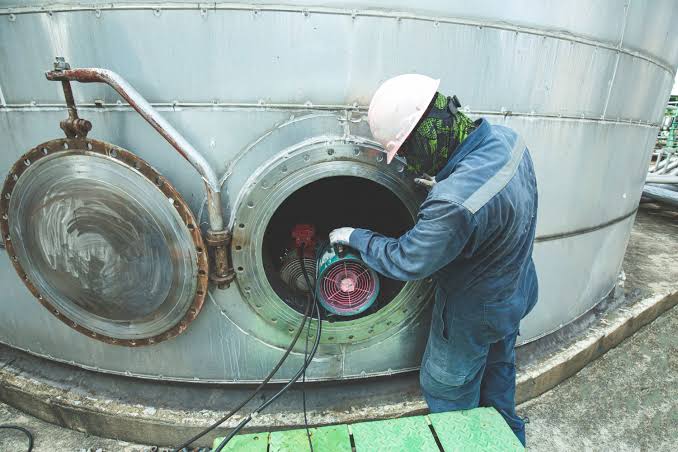
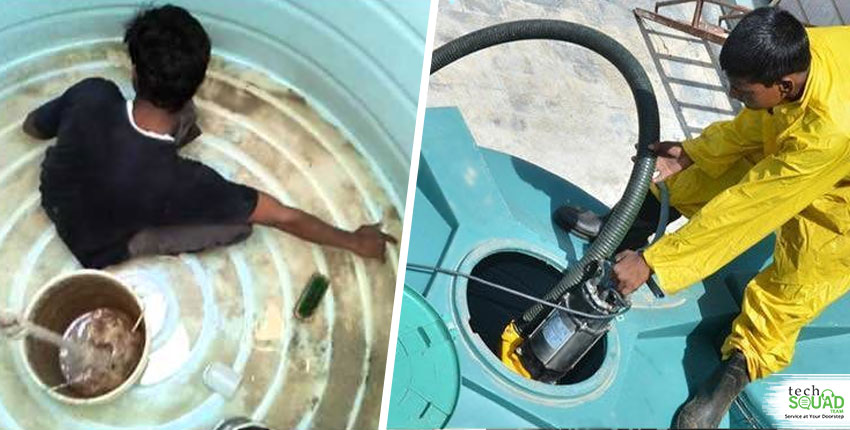
Using an external submersible pump, evacuate the clean upper layers of water down to the sediment line. Once the bulk water is gone, open the main access hatch and set up your continuous air-ventilation blowers. Run a gas detector scan to ensure the atmosphere inside is perfectly safe for entry. Look closely at the interior walls to identify the heavy scale lines and look for any structural signs of weld stress or corrosion pitting.
Step 3: Mechanical Spraying and Sludge Extraction
Take your variable-pressure jet washer and rinse the interior surfaces from top to bottom. Keep the spray nozzle at a safe distance from the metal walls to avoid concentrated blast stress on the welds. All the dislodged sediment and fine mud will pool along the sloped floor. Use a dedicated wet-dry industrial vacuum or a plastic scoop to extract this slurry out of the tank completely. Never allow this abrasive mud to flow down your building’s internal plumbing traps.
Step 4: Targeted Mineral Descaling
If you notice heavy white calcium crusts or stubborn iron stains, apply an approved, diluted citric acid solution directly onto the problem areas. Use your nylon brushes to scrub the acid wash into the scale. Let the mixture sit for 20 to 30 minutes. The acid will break down the bond between the calcium and the metal without harming the steel beneath it. Rinse the walls again with clean water and pump out the chemical effluent.
Step 5: Microscopic Disinfection and Passivation Support
With the mineral scaling gone, you must sanitize the entire unit to destroy any lingering biological biofilms. Spray a food-grade solution of hydrogen peroxide or properly diluted sodium hypochlorite evenly across the ceiling, walls, and floor panels. Let it stand for 30 minutes to achieve complete biological neutralization. This exposure also helps oxygenate the metal surface, which supports the regeneration of the tank’s natural passive chromium oxide defense layer.
Step 6: The Ultimate Pure Water Flush and Testing
Rinse the entire tank down a final time with fresh, potable water. Continue pumping out the rinse water until your testing kits show that the residual chemical levels have dropped completely back to baseline water parameters. Close the drain ports, open your primary water mains, and fill the commercial tank to its normal operating volume.
Before opening the building’s main supply gates, run the furthest building valves for two minutes to clear out any small air locks and ensure that any accidental microscopic debris is completely flushed from the pipeline network.
The Legality of Professional Maintenance Documentation
In the commercial and industrial property sectors, physical maintenance logs are a strict legal requirement. If a health department inspector audits your facility or an insurer evaluates your property risks, you must have a clear history of your water safety protocols.
Always keep a dedicated water hygiene logbook for your stainless steel system. Record the exact cleaning dates, the specific descaling acids used, the chemical concentrations logged during disinfection, and the names of the safety crew members who executed the entry permit.
At TankClean.site, we constantly remind facility managers that a meticulous maintenance folder is your shield against corporate liability, proving that your water storage assets are held to the absolute highest operational standards.
Preserve Your Water Quality and Asset Lifespan Long-Term
Learning how to clean stainless steel commercial water tanks safely is one of the single most cost-effective habits an active facility manager can build. It keeps your high-end metal infrastructure running cleanly, stops heavy scale from degrading your building’s internal plumbing, and guarantees safe, crisp water for everyone who relies on your property day in and day out.
Don’t let deferred system maintenance lead to compliance fines or unexpected equipment failures down the road. Head over to TankClean.site right now to download our free, industry-grade Commercial Stainless Steel Water Maintenance Template Pack, which includes OSHA-compliant confined space logs, chemical volume calculator sheets, and automated scheduling logs.
While you are visiting our platform, consider subscribing to our corporate facility newsletter to receive automated alerts every twelve months so your team never misses an essential cleaning window. Explore our specialized commercial directories today to keep your facility running smoothly, affordably, and safely!