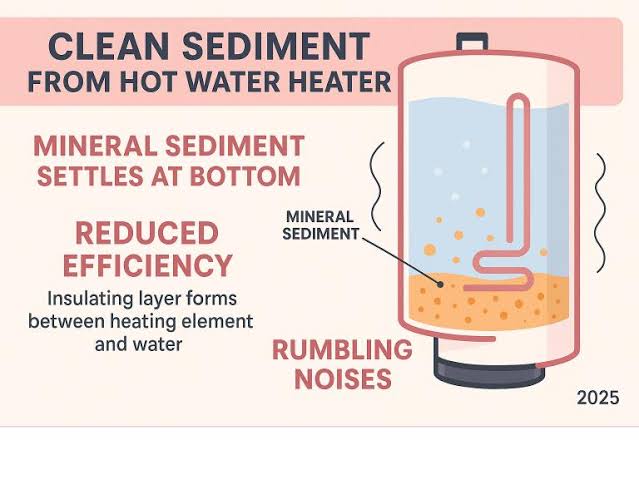
How to Clean Calcification Off Water Tank Walls: Easy DIY Guide

White crust on your water reservoir walls? Learn how to clean calcification off water tank walls safely using simple, cost-effective DIY steps.
How to Clean Calcification Off Water Tank Walls: A Practical DIY Guide
You open your household water storage tank for a routine inspection, shine a flashlight inside, and see a thick, white, chalky crust gripping the walls. It looks like a rough layer of dried salt or a sheet of flaky rock climbing from the bottom to the high-water line. If you try to scratch it with your fingernail, it is rock-hard and stubbornly bonded to the surface.
Look, I get it, scrubbing a tank is exhausting but leaving that rough white crust to build up year after year ruins your home plumbing system. That crust is calcification—a heavy collection of calcium and magnesium minerals commonly known as limescale. Over time, these mineral crystals flake off, travel down your pipes, clog up your showerheads, choke your washing machine valves, and ruin your water heaters. You do not need to call in an expensive commercial plumbing crew or drop a fortune on specialized contractors to scrape it clean. With a few hours over the weekend, a simple chemical strategy, and some basic tools, you can handle this job entirely on your own.
Here is the real talk about water safety: calcification itself isn’t toxic to drink, but its rough, porous texture acts like a magnet for organic matter. Bacteria and slimy biofilms use those microscopic mineral pockets to hide from standard chlorine treatments, creating a hidden breeding ground right inside your reservoir. Learning how to clean calcification off water tank walls is an essential home maintenance skill that protects your appliances and keeps your family’s water pure. At TankClean.site, we break down exactly how to dissolve this stubborn scale safely and efficiently.
Why is White Scale Building Up in My Tank?
Before we look at the cleaning process, let’s understand why your tank is developing this rock-hard lining. The root cause comes down to the geology of your local water supply.
The Science of Hard Water
If your property relies on a deep tube well or a municipal source that passes through limestone or chalk beds underground, your water contains high levels of dissolved calcium carbonate and magnesium ions. When this “hard water” sits stagnant inside your storage unit, ambient heat causes minor evaporation. As water evaporates, the minerals drop out of solution and crystallize onto the nearest solid surface, forming a permanent crust layer.
The Multi-Layer Danger for Plastic and Concrete
On a smooth polyethylene plastic wall, scale gives biological organisms a rough surface to cling to. For concrete or brick cisterns, heavy calcification can actually degrade the structural masonry mortar over time. If left untreated, the scale expands into the pores of the concrete, making future sanitizing almost impossible without intense structural scraping.
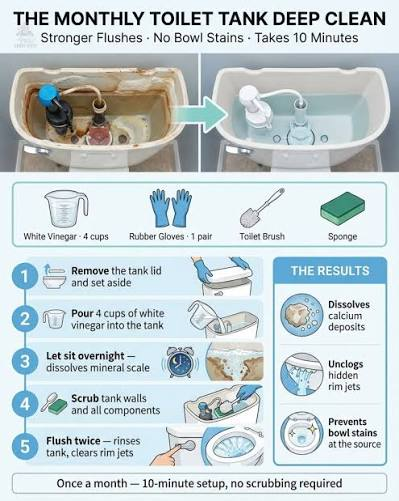
Descaling Agent Selection: Acidic Dissolution vs. Manual Scraping
To clear calcification, you cannot rely on regular soaps or chlorine bleach. Bleach is excellent for killing germs, but it does absolutely nothing to dissolve mineral crusts. You need an acid to break down the calcium bonds. Let’s look at the best DIY tools for the job.
| Cleaning Tool / Agent | Strengths & Benefits | Weaknesses & Risks | Best Use Case |
| Commercial Citric Acid Powder | Odorless, completely food-safe, highly effective at eating calcium, and very safe for plastic walls. | Needs to be dissolved in warm water; takes a bit of time to eat through thick, multi-year crusts. | Our Top Recommendation. Ideal for plastic and concrete tanks with moderate calcification. |
| Industrial Muriatic Acid | Extremely fast-acting; melts heavy, thick stone scale almost instantly on contact. | Emits highly toxic fumes; can burn skin and degrade plastic or concrete if left on too long. | Reserve strictly for extreme, severe calcified blockages in concrete units while using full respirators. |
| Stainless Steel Wire Brushes & Scrapers | Excellent for physically knocking loose thick, brittle chunks of scale from corners. | Can easily score and gouge plastic walls, creating tiny micro-grooves where bacteria can hide their later. | Best used gently on concrete walls or for heavy spot-cleaning before applying an acidic solution. |
Step-by-Step Guide to Removing Calcification Off Your Tank Walls
Before you jump inside or start spraying your cleaning mixtures, make sure you wear long rubber gloves, protective safety goggles, and old clothes. Even mild food-grade acids can irritate your eyes and skin when sprayed in a confined space.
1.Isolate Your Water Grid and Power Connections:Preparation Phase.
Shut off the principal inlet valve supplying water to your storage reservoir. Switch off the electrical breakers connected to your automated booster pumps and water heaters. Close the main distribution valve leading directly into your home so no acidic wash water or loose mineral flakes can travel down into your home faucets or appliances.
2.Drain the Reservoir Completely:Duration: 20-30 mins.
Open the tank’s lowest external drain valve to run out all stored water. If your tank layout leaves a few inches of residual water at the bottom, use a small submersible pump or a heavy-duty wet-dry vacuum to pull it out. The walls must be completely exposed from top to bottom before applying your cleaning solutions.
3.Apply the Acidic Descaling Solution:Chemical Application.
Mix a concentrated descaling blend by dissolving 2 pounds of food-grade citric acid powder into 1 gallon of warm water (or use straight industrial white vinegar if scale is very light). Use a chemical-resistant plastic pump sprayer to coat the calcified walls thoroughly from top to bottom. You will notice a slight fizzing reaction as the acid begins breaking down the calcium carbonate matrix.
4.Allow the Solution to Soak and Soften:Duration: 45-60 mins.
Let the acidic mixture sit undisturbed on the walls for roughly one hour. Keep an eye on it—if the weather is hot and the walls start drying out, spray another light layer over the crust. The acid needs to stay wet to continuously dissolve the hard mineral bonds and turn the rock-like scale into a soft, slushy paste.
5.Scrub the Weakened Scale and Evacuate Slurry:Scrubbing Phase.
Take a stiff-bristled nylon scrub brush or a household pressure washer operating at 1,500 PSI and work your way down the walls. The softened calcification should flake off easily in large white sheets. Use a scraper gently on stubborn corners. Immediately vacuum or sweep out all the fallen mineral mud and acidic slurry from the floor of the tank.
6.Sanitize, Flush, and Bring the System Online:Sanitization & Rinse.
Because mold or bacteria can hide behind scale, spray the clean walls with a quick sanitizing bleach mixture (1 cup bleach per gallon of water) and let it sit for 15 minutes. Rinse the walls one final time with fresh water and pump out the final puddles. Close your drain line, fill the tank with fresh water, and procced to open the main home valve. Run your indoor taps for two minutes to clear any trapped air.
Permanent Habits to Keep Calcification Away
Now that your tank walls are perfectly smooth and clear, you want to make sure you don’t have to repeat this heavy scrubbing process anytime soon.
The most effective, permanent solution to chronic limescale is installing a whole-house water softener or an electronic descaler right on your main inlet pipe. A water softener replaces calcium and magnesium ions with sodium ions before the water ever reaches your tank, ensuring that scale can never form inside your reservoir. If a full softener system is out of your budget, a scale-inhibiting inline polyphosphate filter cartridge installed on your intake line will coat the mineral molecules, preventing them from bonding together and crystallizing on your walls.
Secondly, build a habit of performing a simple preventative rinse every twelve months. Catching light, dusty mineral rings early with a quick vinegar spray and a nylon brush takes less than twenty minutes, preventing the scale from turning into a thick, rock-hard sheet that requires heavy chemicales and hours of scraping. For more advanced troubleshooting strategies for both plastic and brick cisterns, TankClean.site is always packed with the exact resources you need.
Maintain Your Home’s Plumbing Health with TankClean.site
You don’t need to feel overwhelmed by heavy mineral buildup or spend your hard-earned money on emergency plumbing visits when you have a clear, step-by-step plan. By understanding what causes hard water scaling and staying ahead of the maintenance cycle, you can easily protect your appliances, preserve your pipelines, and guarantee clean, clear water flow for your entire household every day.
To help you stay on track with your household care routines, check out our comprehensive library of DIY guides, tool checklists, and water hygiene tips available right here on TankClean.site—your trusted online home for independent home maintenance mastery.