Cleaning School Drinking Water Storage Tanks: Best Methods 2026

Discover the best methods for cleaning school drinking water storage tanks safely. Follow our expert guide to protect student health and maintain water hygiene.
Best Methods for Cleaning School Drinking Water Storage Tanks: The Expert Guide
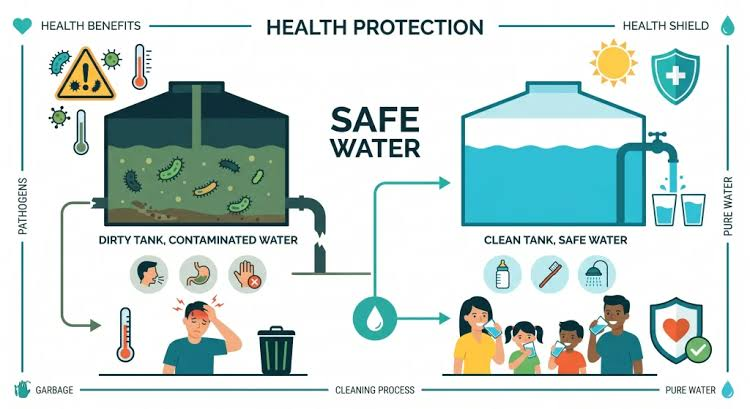
When we talk about school safety, most people immediately think of playground upgrades, classroom security, or fire drills. But there is a silent, invisible factor that impacts every single child and staff member daily: the school’s drinking water system. Storage tanks that supply water coolers, cafeterias, and water fountains can easily turn into breeding grounds for dangerous bacteria if neglected.
Look, I get it, scrubbing a tank is exhausting but keeping our kids safe from waterborne pathogens like E. coli or Legionella is absolutely non-negotiable. If you are a school maintenance manager, a proactive parent on the school board, or an administrator wanting to verify that your facilities team is doing things right, you need a high-standard, compliant maintenance blueprint.
Here is the real talk about water safety: a school facility is not a typical residential property. The high user volume means that any slight oversight in water storage hygiene can lead to a mass outbreak of illnesses. In this comprehensive guide, we will break down the absolute best methods for cleaning school drinking water storage tanks while focusing on child-safe sanitation practices. At TankClean.site, we specialize in making institutional and domestic water hygiene easy to execute without overspending on expensive external contracting services.
Understanding the Risks: Biofilm and Sedimentation
Before jumping into the manual labor, let’s talk about why these storage tanks degrade in quality over months of continuous use. Water delivered from municipal lines might be clean, but as it sits in large overhead or underground reservoirs, it changes.
The Problem with Biofilm Setup
A major issue in institutional water tanks is the formation of biofilm. This is a slimy, complex layer of microorganisms that sticks firmly to the interior tank walls. This biological layer protects bacteria from low levels of chlorine, giving them a cozy place to multiply. When a school closes for seasonal breaks, stagnant water accelerates this buildup drastically.
Silt and Sludge Accumulation
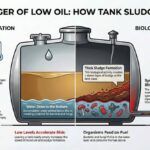
As thousands of gallons of water flow through the reservoir, tiny dirt particles, sand, and heavy mineral sediment settle at the bottom. This layer of sludge creates an oxygen-depleted zone where anaerobic bacteria thrive, often causing a strange, metallic, or muddy taste in the school fountains.
Disinfection Method Comparison: Bleach vs. Hydrogen Peroxide
Choosing the right sanitation compound is the most critical decision your team will make. You need something powerful enough to wipe out biofilm entirely, but it must be completely safe for an environment serving children.
| Feature Matrix | Food-Grade Sodium Hypochlorite (Bleach) | Food-Grade Hydrogen Peroxide (H2O2) |
| Sanitizing Power | Exceptionally high; aggressively dissolves stubborn biological organic matter and tough biofilms. | High; breaks down cell walls through a powerful oxidation process. |
| Residue Risk | Leaves a distinct chlorine odor and taste if the tank isn’t thoroughly flushed out with clean water. | Leaves zero toxic chemical residues; breaks down cleanly into harmless water ($H_2O_2 \rightarrow H_2O + O_2$) and oxygen gas. |
| Cost & Availability | Highly economical, very widely available, and universally recognized by public health guidelines. | More expensive per gallon and requires specialized handling and exact dilution calculations. |
| Best Suited For | Deep cleaning heavily fouled tanks that have missed multiple annual maintenance intervals. | Routine, preventative seasonal cleaning where minimal flushing downtime is desired. |
Step-by-Step Guide to Cleaning School Water Tanks Safely
Ready to take on the project? This sequential process ensures that your team stays safe and that the water supply is perfectly sanitized before the student body returns to classes.
1.System Shutdown and Isolation:Prerequisite Step.
Turn off the main incoming water supply valve feeding into the storage tank. Switch off the power supply to any booster pumps, automated filtration systems, or water treatment electronics connected to the unit. Put up clear “Maintenance Notice – Do Not Drink” signs at every water fountain across the campus to prevent accidental exposure while the work is underway.
2.Draining Residual Water and Sludge Removal:Duration: 1-2 hours.
Open the primary drain valve at the lowest point of the tank to evacuate the bulk of the standing water. Once the water level drops to a few inches, use a heavy-duty submersible sludge pump to pull out the thick layer of silt and mud resting at the bottom. Do not let this dirty sediment run through the school’s primary indoor plumbing lines.
3.High-Pressure Mechanical Scrubbing:Physical Cleaning Phase.
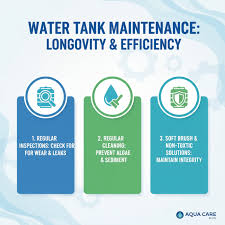
A trained maintenance technician should enter the tank to scrub down the walls, ceiling, and support pillars. Use a commercial pressure washer operating at 2,000 to 2,500 PSI to strip away stuck-on slime and mineral scale. If you are handling a sensitive polyethylene plastic tank, make sure to use non-abrasive, stiff nylon brushes to avoid deeply scratching the interior walls, as scratches create microscopic pockets where bacteria can hide in the future.
4.Chemical Disinfection Treatment:Duration: 2 hours soak time.
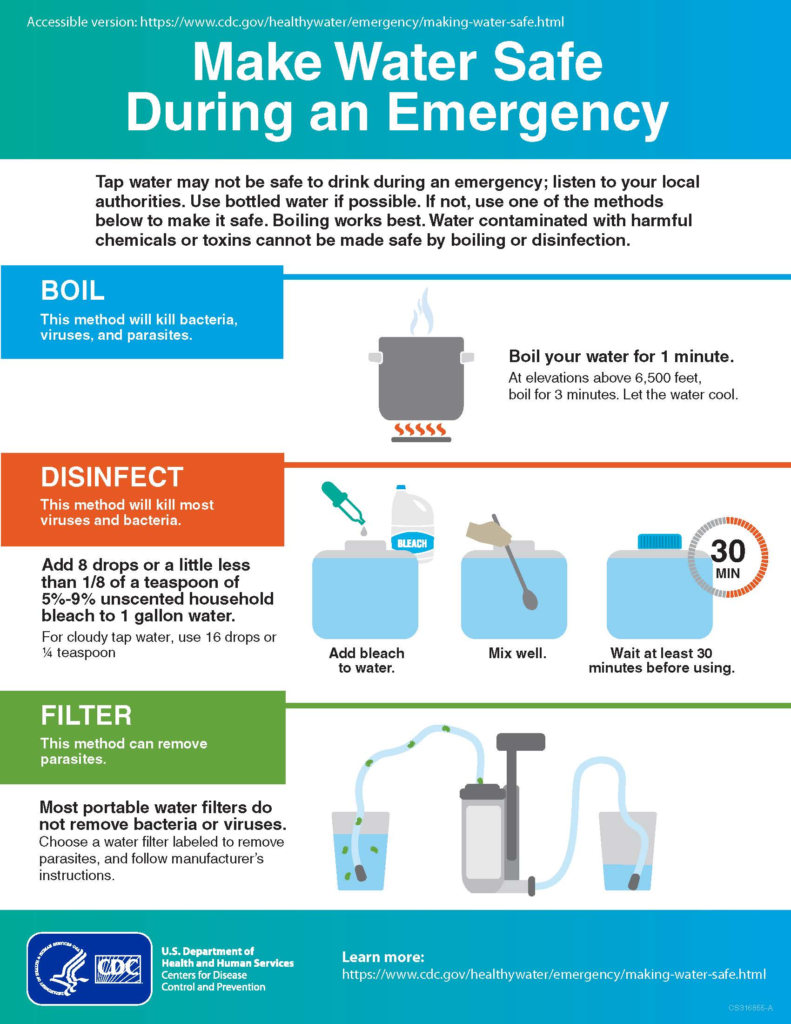
Apply your chosen disinfectant. If using bleach, prepare a solution yielding roughly 50 parts per million (ppm) of free chlorine. Coat the walls and ceiling thoroughly using a clean chemical sprayer. Allow the solution to remain on the surfaces for a minimum of two hours to ensure complete eradication of pathogens. The technician must wear a full-face respirator with appropriate chemical cartridges during this chemicales application phase.
5.Neutralization, Flushing, and Pumping Out:Chemical Removal Phase.
Rinse the entire interior of the tank with clean, potable water using the pressure washer. Use a wet-vacuum or residual submersible pump to evacuate every single drop of dirty, chlorinated rinse water. If local environmental regulations prohibit draining highly chlorinated water into the local storm sewer, use a neutralizing agent like sodium thiosulfate before discharge.
6.Refilling and Water Quality Verification:Final Safety Sign-off.
Close all drain valves, remove isolation seals, and fill the tank back up with fresh municipal water. Do not open the supply lines to the school rooms immediately! Use a digital pool test kit or a professional water testing meter to verify that the residual chlorine level is under 2.0 ppm (ideally between 0.2 and 0.5 ppm) and that the pH balance is neutral. Once the parameters clear, you can safely procced to re-commission the building’s water network.
Compliance, Documentation, and Maintenance Frequency
Managing an educational facility means that documentation is your best shield against liability. You cannot rely on memory alone when a health inspector asks for proof of your water hygiene routine.
Every single maintenance action should be recorded in a dedicated water quality logbook. Write down the precise date of the cleaning, the structural condition notes of the tank interior, the exact volume of chemical sanitizers used, and the final post-cleaning water testing metrics.
For schools, it is recommended to execute a full deep clean at least twice a year—ideally during the summer break and the winter holidays when the school water system sits stagnant for extended periods. Regular testing should be done monthly to ensure that their are no sudden bacterial spikes.
Take Control of Your School’s Water Hygiene
Ensuring clean, crisp, and safe drinking water for our youth shouldn’t feel like an impossible guessing game. By utilizing the best methods for cleaning school drinking water storage tanks, you can establish a healthy environment that supports student focus and long-term well-being. For more detailed instructional guides, tool lists, and tailored seasonal tips, make sure to browse through the extensive article catalog available at TankClean.site, your premium destination for easy-to-follow water hygiene and DIY tank maintenance strategies.