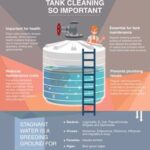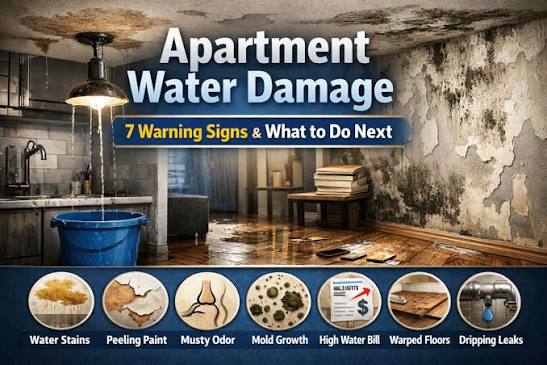

Notice a weird smell or sudden skin irritation? Learn the top warning signs of dirty water tank in apartments and how to clean it safely.
Dead Giveaway: 5 Warning Signs of Dirty Water Tank in Apartments
Living in an apartment complex has a lot of perks. You don’t have to worry about mowing a lawn, repairing a roof, or managing structural exterior painting. But apartment living also comes with a major hidden vulnerability: shared utilities. Unlike a standalone house where you control every single pipe, valve, and filter, multi-family buildings rely on massive, centralized underground reservoirs and rooftop booster tanks to supply water to dozens of different units.
Here is the real talk about water safety in vertical housing: because these massive communal storage units are completely tucked away out of sight, building management teams often ignore them until a major contamination crisis hits.
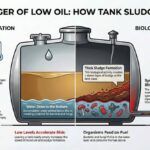
Look, I get it, scrubbing a tank is exhausting but waiting for your building supervisor to finally notice a problem is a recipe for getting sick. If you live in an apartment, your taps are directly connected to the health of those shared reservoirs. If a tank goes unwashed for years, it turns into a breeding ground for thick sludge, rust flakes, and biological pathogens.
As an apartment resident or a proactive landlord, you need to know exactly what to look for right from your own kitchen or bathroom. At TankClean.site, we help people navigate the tricky world of water hygiene. Let’s break down the most urgent warning signs of dirty water tank in apartments and look at a definitive action plan to get your supply back to crystal-clear purity.
The Warning Signs Matrix: How Your Taps Are Screaming For Help
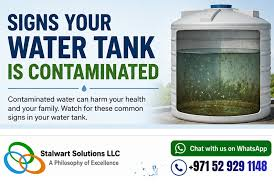
Contamination doesn’t just happen overnight; it leaves subtle clues in your everyday water usage. If you notice any of these anomalies happening across multiple faucets in your flat, the source is almost always the central storage hub.
Let’s look at this indicator reference table to help you decode what your water is trying to tell you:
| Tap Symptom | Immediate Root Cause | Contamination Threat Level | Action Required |
| Earthy, Musty, or Fishy Odor | Active algae blooms or decomposing organic material inside the overhead tank. | High (Indicates heavy biological activity and lack of residual chlorine). | Immediate chemical sterilization required. |
| Sudden Spluttering or Low Pressure | Fine sand, sediment, and slime clogging your individual faucet aerators. | Medium (Indicates heavy silt buildup on the reservoir floor). | Line flushing and physical tank vacuuming. |
| Yellow, Red, or Brown Discoloration | Rust scaling peeling off old tank linings or internal structural iron fixtures. | Medium (Corrosive pipe damage; can stain laundry and fixtures permanently). | Interior scraping and food-grade re-coating. |
| Unexplained Skin Dryness or Rashes | High concentrations of water-borne bacteria or mold spores colonizing stagnant corners. | Critical (Presents immediate health risks for children and sensitive skin). | Shock chlorination and full biological scrubbing. |
If you start seeing two or more of these symptoms happening simultaneously, their is a 95% chance your apartment building’s main water storage system is severely compromised.
The Tool Kit Needed for High-Volume Apartment Tank Maintenance
If you are a building manager or a group of proactive tenants tackling a shared overhead or underground reservoir without hiring expensive commercial services, you need heavy-duty gear. A standard house bucket won’t cut it here.
Here is your essential inspection and preparation tool checklist:
| Tool Category | Essential Item | Specific Maintenance Purpose |
| Diagnostic Gear | Digital TDS meter, chlorine test strips, high-lumen waterproof spotlight | Measures dissolved solids and verifies if municipal chlorine has fully depleted. |
| Safety Attire | Rubber waders, heavy-duty gloves, N95 respiratory mask | Protects the cleaning crew from slipping hazards and airborne chemicales fumes. |
| Debris Extraction | High-volume submersible sludge pump, thick suction hoses | Bypasses slow building drains to empty thousands of liters of muck in minutes. |
| Sanitization | Commercial unscented liquid sodium hypochlorite (bleach) | Breaks down organic bio-film and sanitizes porous concrete wall textures. |
Step-by-Step Guide to Inspecting and Cleaning Apartment Water Tanks
Cleaning a high-capacity apartment reservoir requires a systematic approach to prevent water shortages for the residents. Follow this step-by-step DIY strategy to execute the project smoothly and safely.
Step 1: Pre-Notification and System Isolation
Never shut off the water without warning your tenants first. Send out a notice 48 hours in advance so residents can store enough cooking and drinking water for the day. Once the scheduled time arrives, close the main municipal inlet valves and shut off the electrical breakers to all booster pumps and central water heaters. Running a heavy industrial pump dry will burn out the motor inside minutes, leading to an incredibly expensive repair bill.
Step 2: High-Velocity Drainage
Open the main scour or drain valve located at the lowest base point of the reservoir. Because apartment tanks hold thousands of gallons, gravity drainage takes way too long. Drop your high-volume submersible sludge pump into the tank to evacuate the bulk water rapidly. Stop pumping when the water level drops to about 6 inches from the bottom floor. You need this shallow pool to keep the heavy floor silt fluid.
Step 3: Wall Scraping and Heavy Scrubbing
With safety masks and goggles securely on, the maintenance team should enter the tank (always ensure a spotter remains outside for safety). Use stiff deck brushes attached to extension poles to scrub the walls from top to bottom. Focus heavily on dark corners, structural columns, and floating ball-valve fixtures where algae and black slime setups love to anchor. If you notice structural wall cracks during this phase, do not ignore them; let the wash finish, dry the area, and procced with premium food-grade waterproof patching compounds.
Step 4: Sludge Slurry Evacuation
Mix the scraped wall residue into the shallow floor water to form a muddy liquid slurry. Position your submersible pump at the absolute lowest point of the floor pocket and pump this thick mud out of the building completely. Use clean cellulose sponges to soak up any remaining puddles until the floor is totally dry and bare.
Step 5: Chemical Shock Disinfection
Prepare your disinfecting solution. For large apartment reservoirs, a target concentration of 50 ppm of chlorine is required. Mix your unscented liquid bleach thoroughly with clean water in a large bucket, then apply it evenly across all concrete or plastic walls using a heavy-duty chemical pressure sprayer. Leave the building closed up tightly for 30 to 45 minutes; this exact contact window is completely non-negotiable if you want to kill off embedded mold spores and hidden bacterial colonies.
Step 6: Power Rinsing and System Re-Commissioning
Blast the entire interior down using fresh, clean water to wash away all trace chemicales and bleaching residues. Drain this highly chlorinated rinse water out through the waste lines completely—never allow this initial flush water to travel into the apartment line network, as it can ruin domestic water purifiers and irritate skin. Once the rinse water runs 100% transparent, close the waste valves, reopen the primary municipal feed, and fill the system with pure water. Restore power to your booster pumps.
How to Handle Building Management When Water is Dirty
If you are a tenant who has spotted the warning signs of dirty water tank in apartments, you don’t have to feel helpless. Document the issues carefully. Take a clear glass of water from your tap, hold it against a white background, and photograph any visible sediment or color changes.
Bring this evidence to your tenant association or building supervisor. Remind them that routine tank maintenance isn’t just about aesthetics; it is a legal health requirement in most municipal housing frameworks. Show them how straightforward a DIY inspection can be when utilizing structured protocols.
Bring Pure Water Back to Your Building Complex
No one should have to guess whether the water coming out of their shower or kitchen tap is safe. By learning to recognize the early warning signs of dirty water tank in apartments, you can catch building infrastructure failures before they translate into chronic health issues for your family or tenants.
Want to keep your apartment complex running smoothly without the guesswork? Download our complete, step-by-step commercial tank inspection blueprint directly from TankClean.site. You can also subscribe to our automated seasonal notification list to get timely maintenance alerts tailored for property managers and tenant boards alike. Explore our comprehensive DIY resource library today and take absolute control of your domestic water safety!