
How to Deodorize a Foul Smelling Concrete Water Tank: DIY Guide

Stinky water from your cistern? Learn how to deodorize a foul smelling concrete water tank using safe, expert-approved DIY methods and tools.
How to Deodorize a Foul Smelling Concrete Water Tank Safely and Effectively
You walk into your bathroom, turn on the shower or fill up a glass to brush your teeth, and you are instantly hit with a wave of a terrible stench. It might smell like rotten eggs, stagnant swamp gas, or a damp, earthy mustiness. When your home’s water supply smells like a sewage line, it is an absolute crisis. You instantly start worrying about biological contamination, dangerous bacteria, and whether it is even safe to wash your hands.
Look, I get it, scrubbing a tank is exhausting but ignoring bad odors coming from a concrete reservoir can expose your family to serious waterborne pathogens. Many homeowners assume that concrete cisterns require industrial, expensive commercial cleaning crews to neutralize deep-seated smells. The truth is, you do not need to drop a small fortune to fix this. With the right strategy, proper safety precautions, and a free Saturday morning, you can entirely eliminate the odor on your own.
Here is the real talk about water safety: concrete is a highly porous material, meaning it acts like a giant hard sponge. Over time, microscopic bacteria, organic sludge, and anaerobic gas compounds seep directly into the tiny pores of the masonry walls. Simply tossing a few chlorine tablets into the water will not solve the underlying problem. To fix it permanently, you need to learn exactly how to deodorize a foul smelling concrete water tank by utilizing a deep, structural disinfection protocol. At TankClean.site, we want to give you the exact peer-tested blueprints to restore clean, odorless water to your household lines.
Diagnosing the Stench: Rotten Eggs vs. Earthy Mustiness
Before fetching your cleaning supplies, you need to identify exactly what type of gas or contaminant is causing the odor. The specific smell tells you exactly what is happening inside the concrete structure.
1. The Rotten Egg Odor (Hydrogen Sulfide Gas)
If your water smells intensely of sulfur or rotten eggs, the culprit is almost always Sulfur-Reducing Bacteria (SRB). These micro-organisms thrive in low-oxygen, dark environments—like the thick layer of organic sludge that settles at the bottom of an underground concrete cistern. As they feed on organic debris, their metabolic process releases hydrogen sulfide gas, which dissolves into your water supply.
2. Earthy, Musty, or Swampy Smells
A damp, muddy, or decaying smell indicates that organic matter like dead leaves, soil runoff, or bird droppings has breached your tank’s perimeter. As this organic material slowly decomposes in stagnant water, it creates a rich breeding ground for algae and surface biofilms that stick directly to the porous concrete walls.
3. Chemical or Sewage Odors
If the smell resembles fuel or raw sewage, this is an immediate red flag indicating a structural crack in an underground concrete tank. Nearby septic lines or rainwater runoff can seep through fractured masonry walls. If you suspect structural groundwater intrusion, you must drain the unit immediately and check for wall fractures.
Material and Safety Checklist for Concrete Tank Deodorizing
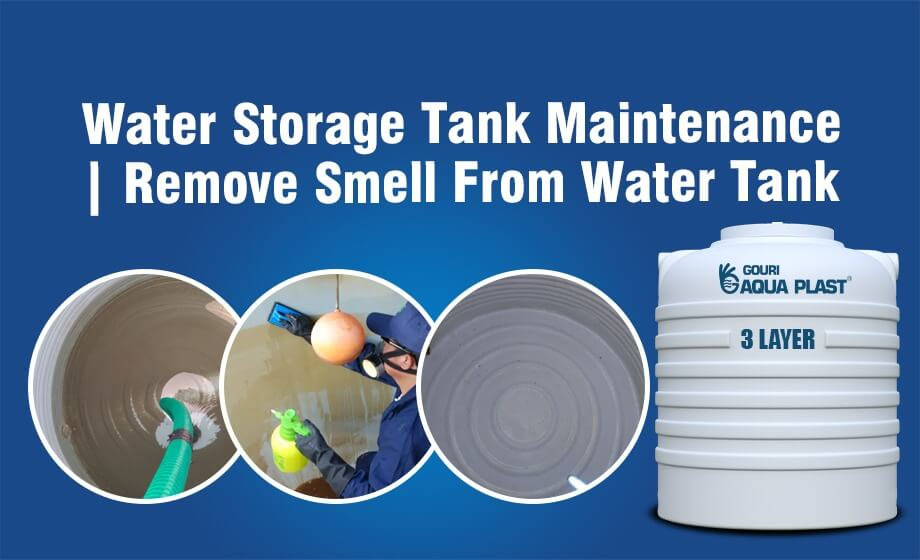
Concrete cisterns present unique challenges because they are often enclosed, confined spaces. You must prioritize proper ventilation and protective gear before working.
| Equipment Category | Essential Items Needed | Core Function & Safety Role |
| Air Quality & Ventilation | Heavy-duty utility blower fan or air duct hose. | Forces fresh air into underground concrete chambers to clear out toxic methane or sulfur gases. |
| Personal Protection | N95 chemical respirator mask, goggles, rubber boots. | Prevents inhalation of toxic mold spores and protects skin from harsh chemicales splashes. |
| Disinfection Agents | High-strength liquid sodium hypochlorite (unscented bleach). | Penetrates porous concrete walls to oxidize organic matter and neutralize smelly sulfur compounds. |
| Mechanical Extraction | Submersible sludge pump or industrial wet-dry vacuum. | Swiftly pulls out dense, foul-smelling organic muck and muddy wash residues from the floor. |
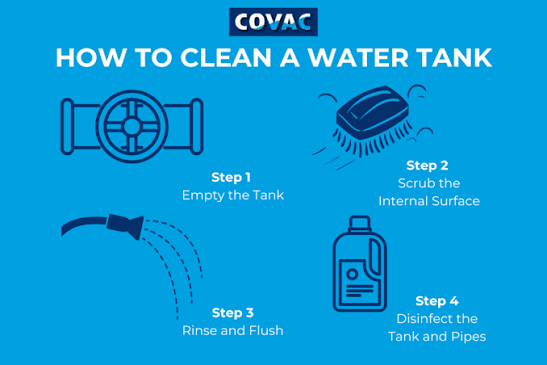
Step-by-Step Guide to Deodorize a Foul Concrete Water Tank
Ready to eliminate that swampy smell from your household water? Follow this precise, structural sequence to drain the muck, sterilize the porous concrete surfaces, and flush your home lines cleanly.
1.Isolate the House Supply and Ventilate the Chamber:Prerequisite Safety Setup.
Turn off the primary water inlet valve feeding from your municipal grid or groundwater tube well. Shut off the electrical circuit breakers for your domestic booster pumps and water heaters. Tightly close the main distribution valve leading into your property. Open the concrete access hatch fully and position a utility blower fan to run fresh air into the chamber for at least 30 minutes before trying to look inside.
2.Drain the Tank and Evacuate Bottom Sludge:Duration: 30-45 mins.
Open your lowest external drain or waste line to run out the remaining standing water. Drop a submersible utility pump or use a heavy wet-dry vacuum to physically remove the dark, smelly layer of organic mud and decaying silt settled on the floor. Getting rid of this sludge layer removes the primary food source for sulfur-producing bacteria.
3.Scrub the Porous Walls with an Oxidizing Wash:Mechanical Cleaning.
Mix a localized cleaning solution using warm water and an unscented, grease-cutting detergent. Use a stiff-bristled wire brush or a commercial pressure washer operating at 2,000 PSI to thoroughly blast the walls, columns, and joints. This breaks up the slimy biological sheets clinging tightly to the rough concrete pores. Immediately pump out all the dirty wash slurry.
4.Apply a High-Concentration Chlorine Shock:Duration: 2-3 hours soak.
Refill the concrete tank roughly 10% full with clean water. Add 2 gallons of regular, unscented household liquid bleach for every 1,000 gallons of total tank capacity to create a highly potent chlorination shock blend. Use a chemical sprayer to thoroughly coat all walls and ceilings. Let this sit completely undisturbed for three hours to allow the chlorine to sink deep into the concrete matrix and kill hidden spores.
5.Flush and Empty Residual Wash Liquids:Neutralization Phase.
Drain the heavy chlorine solution out completely through your external waste line. Use a fresh garden hose to rinse down the walls one final time to flush out dead biological debris. Use a clean sponge or a wet-vacuum to remove the absolute last puddle from the floor so their isn’t a harsh pool-like smell left behind in your drinking lines.
6.Refill the System and Purge Individual Taps:System Commissioning.
Close all external drain valves tightly and fill the tank completely with fresh water. Pop open the lid to confirm the water is crystal clear and completely odorless. Once satisfied, procced to open the main distribution valve back into your home. Go to every kitchen and bathroom tap and run the water for 2 minutes to flush out any pockets of stagnant, smelly water trapped inside your indoor lines.
Permanent Structural Habits to Stop Bad Odors Before They Start
Now that your concrete tank is completely clean and smelling fresh, let’s put a few permanent defenses in place to ensure that those terrible sulfur smells never make a comeback.
The first line of defense is applying a food-grade, crystalline waterproof coating or epoxy liner to the entire interior surface of your concrete tank. This specialized coating seals the rough, microscopic pores of the masonry, turning the walls into a completely smooth, non-porous shield. Without those tiny concrete pockets, bacteria and algae lose their ability to cling to the structure, making future routine maintenance incredibly fast and easy.
Secondly, ensure your access hatch cover is completely air-tight and sealed with a heavy-duty rubber gasket. Many concrete tanks feature heavy iron or concrete lids that don’t fit perfectly flush, allowing rainwater runoff, yard dirt, and insects to slip inside during heavy downpours. By keeping a tight seal and installing a fine-mesh screen over your tank’s air vent pipe, you keep out the organic material that bacteria feed on. For more expert-led advice on maintaining underground cistern hygiene, TankClean.site is always your premium online home for reliable DIY maintenance strategies.
Take Back Your Home’s Water Quality with TankClean.site
You do not need to tolerate embarrassing, foul-smelling tap water or drop a small fortune on commercial cleaning services when you have a clear, expert-led DIY blueprint. By understanding what causes anaerobic bacterial blooms and executing a regular, methodical sanitation protocol, you can easily ensure your household water supply remains perfectly clean, crisp, and safe for your family every single day.
To help you manage a successful home care schedule, dive into our vast collection of step-by-step cleaning guides, tool checklists, and water preservation articles available right here on TankClean.site—your trusted online space for independent home maintenance mastery.